
Education
Ouchies
3 February 2026
Help children recognise the symptoms of abuse in an approachable and safe way.
Summary
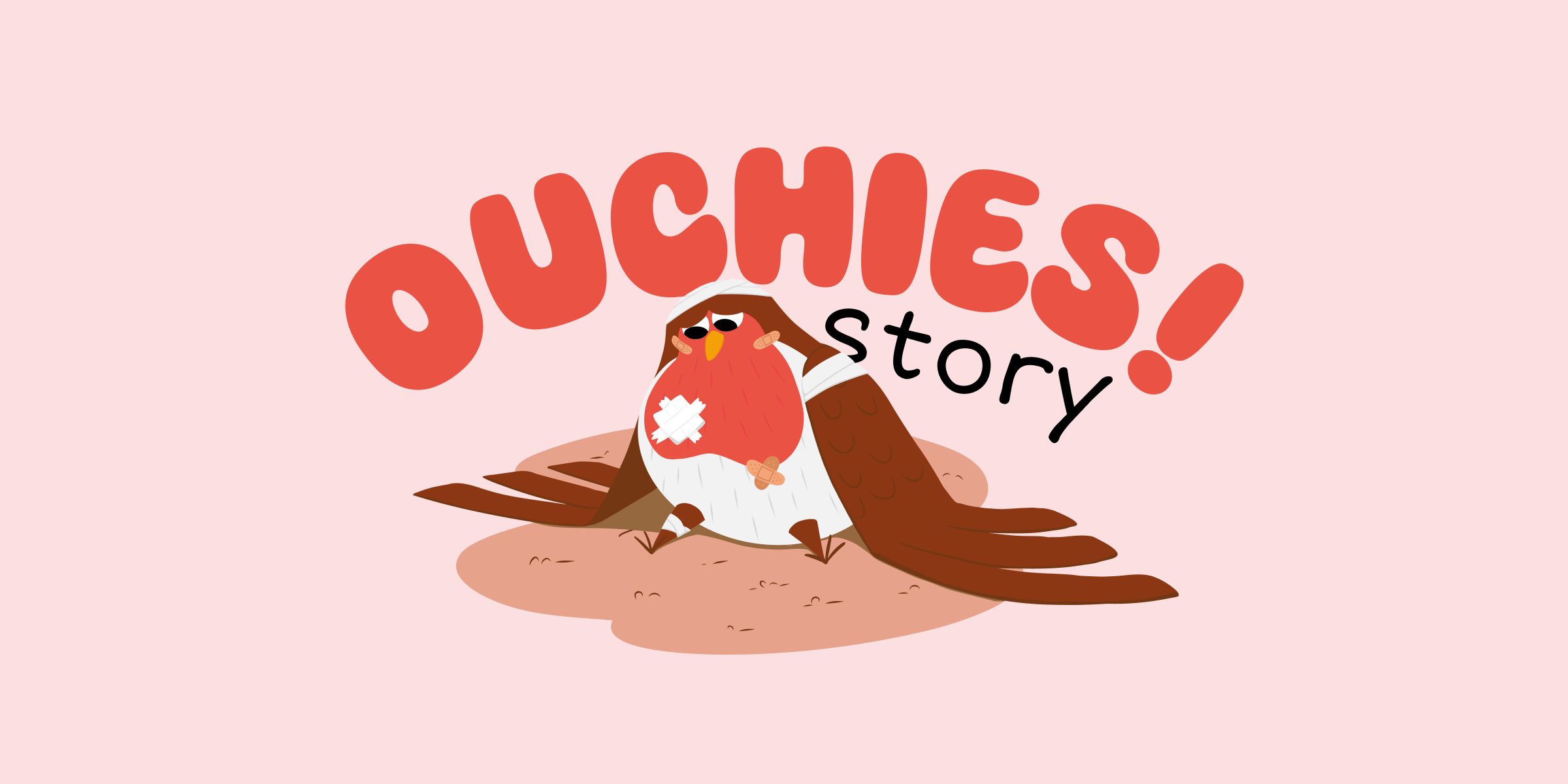
Children aged 4 to 6 are highly vulnerable to unreported abuse due to their dependence on caregivers and inability to protect themselves from harm. Ouchies aims to be an engaging children’s book that teaches children to recognise the symptoms of abuse and equip them to speak out if they are suffering from abuse.
We envision a world where abuse is impossible to hide, so that interventions can happen in time.
Problem
In the Domestic Violence Trends Report 2024, Tier 1 and Tier 2 represent the severity of abuse cases and the level of intervention required:
Tier 1 cases are lower-risk cases where the abuse or neglect has been identified, but the situation is not immediately life-threatening. Tier 2 cases are the higher-risk situations where immediate intervention is needed to protect the vulnerable person. These cases typically involve severe abuse, including physical injuries, neglect, or situations that could lead to long-term harm.
While there was a slight downward trend in the number of new Tier 2 child abuse cases from 2021 to 2023, the number of these cases remains higher than pre-COVID levels, possibly due to increased family stress during the pandemic, as well as more public awareness about child abuse during that time.
Children aged 0-6 years accounted for the largest share of new Tier 2 cases. This age group is highly vulnerable due to their dependence on caregivers and inability to protect themselves from harm.
The most common type of abuse in Tier 2 cases was physical abuse, followed by neglect and sexual abuse. This suggests that physical abuse, while more easily detectable, remains a significant issue. It also highlights the need for more comprehensive support to prevent neglect, which may not always be as immediately visible.
Hence, we are interested in looking at how we might ensure that the most vulnerable age group of children receive help as soon as possible if they are suffering from physical abuse.
Solution
We created an engaging children’s book for ages 4 to 6 years old, teaching them to recognise signs of abuse and encouraging them to speak out.
Research
We learnt about the context and problem space from Early Childhood Development Agency (ECDA), Ministry of Social & Family Development (MSF) and Singapore Children’s Society (SCS), including what the existing interventions are.
We collected information about successful and popular children’s books from around the world and locally within Singapore, and distilled elements that make them successful so we can incorporate similar elements into our story.
We looked for existing children’s books (including in Singapore) that already cover topics of domestic violence. This helped us to get a better idea of the tone and pitching for children of the target age group, and consider if we may want to include content that might not have been covered by existing books.
Approach
We went through at least 3 to 4 rounds of writing and refining the story to make sure the takeaways to the target audience were clear and actionable. We had to make sure the messages were explicit and simple enough for children of the target age group to understand, yet deal with the issues in a sensitive and nuanced manner. The language also had to be age-appropriate and understandable.
We consulted professionals and policy owners in the field to ensure that the messages were aligned with the existing policy of escalation and what to do when adults suspect or come across a child abuse case.
We tested the story with more than 10 parents with children of the target age group to get their feedback and refined the story. We also collected satisfaction scores of the adults, benchmarked with their favourite children’s book.
The existing book contains an insert for adults to let them know what to do when they suspect that a child is a victim of abuse. In the next phase, we may include additional resources for adults (e.g. teachers, parents) on how to use the book, such as guiding questions.
More than 200 people have read the digital book thus far. At Demo Day, we had also conducted two reading sessions with a range of adult audience, and explained the context and research behind the book. The average rating of the e-book till date is 4.84 out of 5.
We will be exploring with preschools to conduct more pilot readings of the book in the coming months to refine the book further, before possible wider distribution.
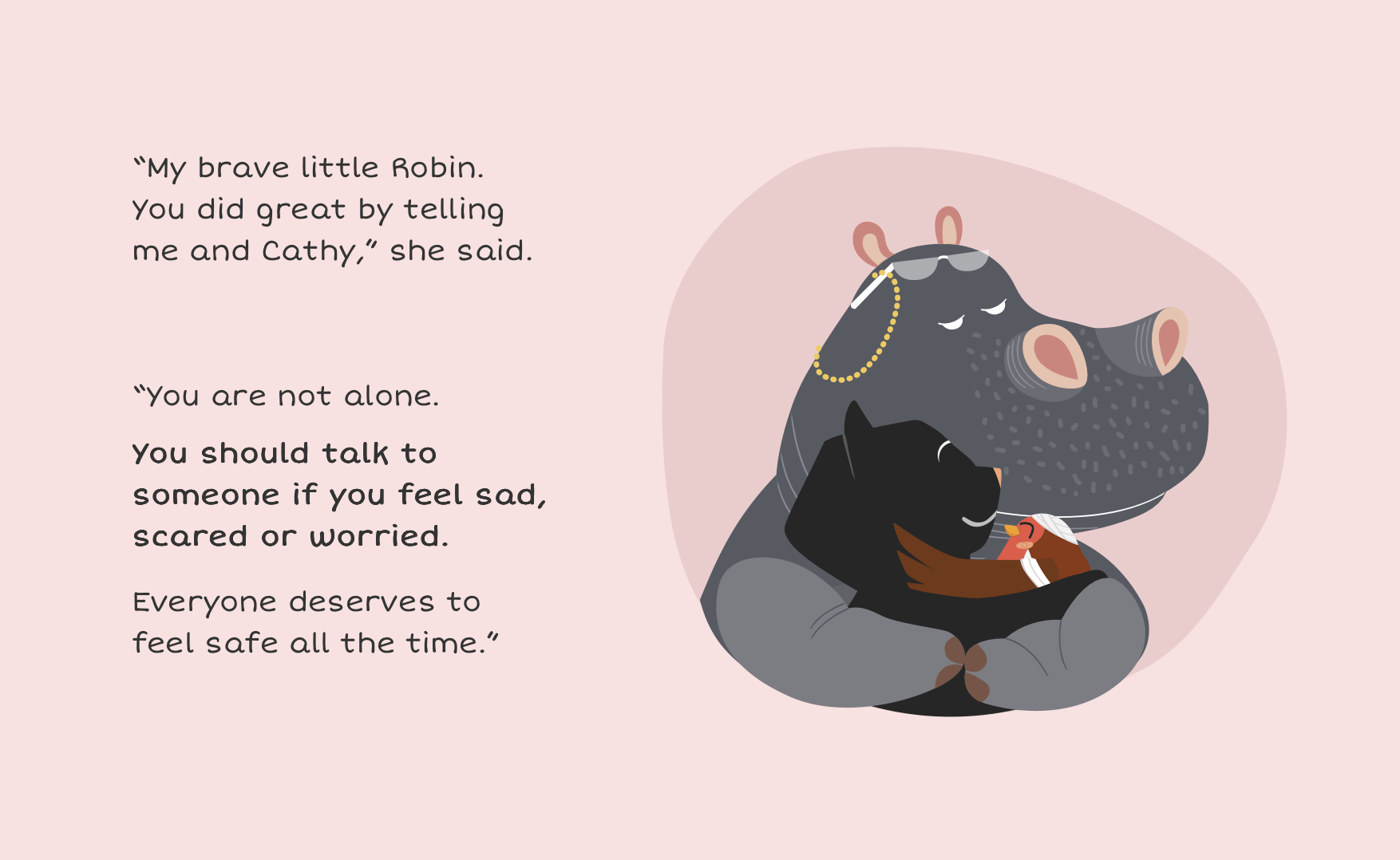
Nice story about friendship n compassion— Anonymous
I cried a little— Anonymous
Next Steps
If you are a parent or teacher, you can read the book to your children or students at https://ouchies.hack2026.gov.sg. Tell us how you found the experience by submitting this form, and if there are any feedback or comments you have.
If you would like to get a print copy of the book, please fill in this form.
For other queries, please reach out to yunxi@open.gov.sg or jan@open.gov.sg.
Acknowledgements
We would also like to thank the following groups and people for their contributions:
MSF, ECDA and SCS for sharing their knowledge, experience, and insights in this sector generously
Pearly Ong for contributing to the illustrations
Justin Chia for managing paper press
Team
Alexander Lee | Engineering
Azer WHR | Engineering
Jan Donyada | Product
Natalie Tan | Design
Shen Yunxi | Policy